
Fishing
Do I really need to catch one?

I’m on my third fishing trip in the month of August. The first two trips were successful if you are the fish, unsuccessful if you are the hungry human. Third times the charm, right?
Not content to sit at home watching reruns of Emergency on Cozi TV, I’ve been eager to get out in my van and explore places in Colorado. The goal has been to find camping adventures within 125 miles from home. We’ve been able to find some beautiful, peaceful places that fit this requirement and also have something interesting to offer. We’ve taken different routes to each location, and have visited unique spots along with trying our hand at fishing.
Spot 1 - Turquoise Lake, Leadville, CO
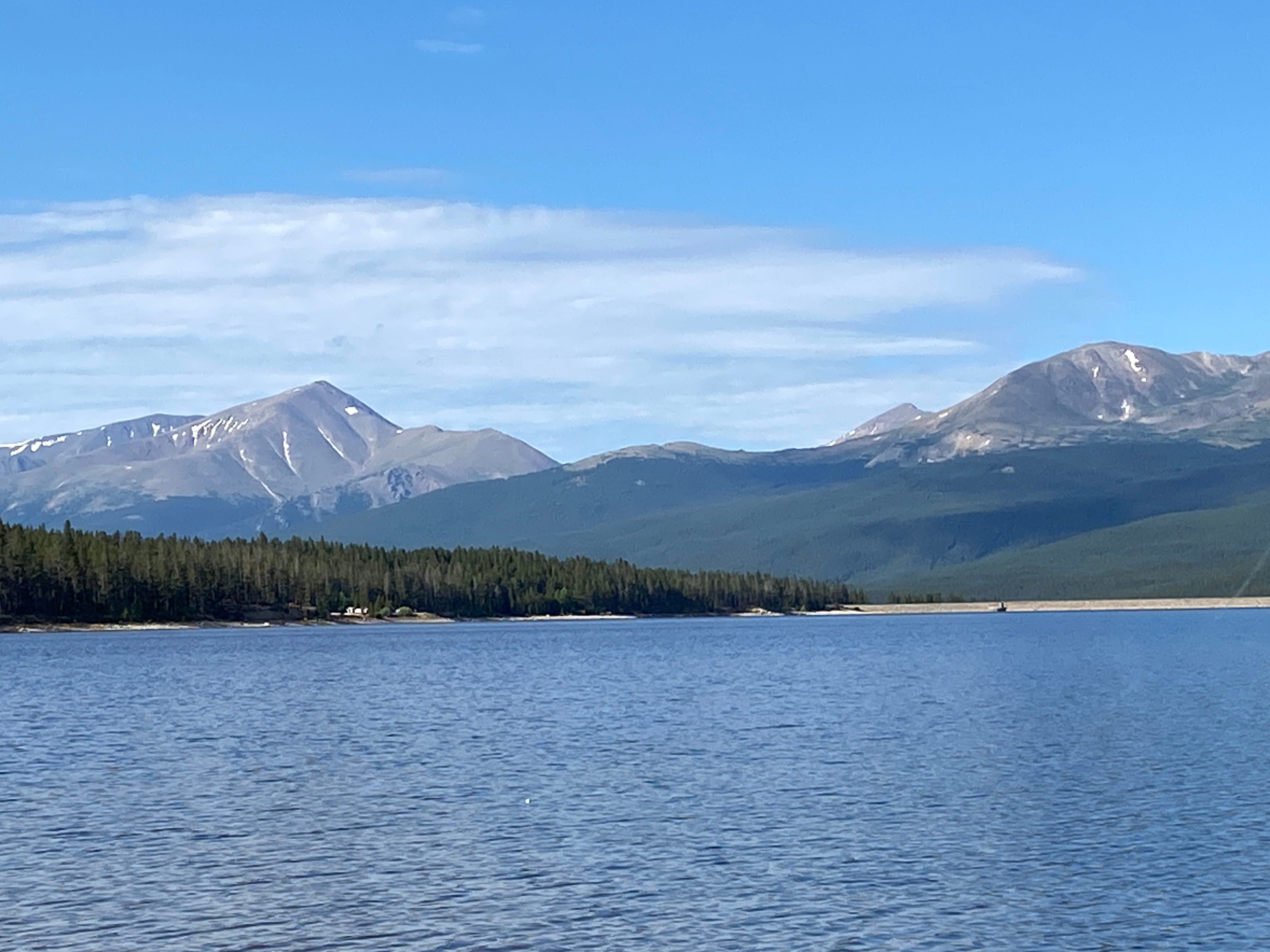


Leadville is the highest incorporated city in North America at 10,152 feet above sea level. It’s an old mining town where huge amounts of money were made from the gold, silver, lead, and other minerals found in the area. Active mines in the area, such as the Climax mine, is the largest resource of molybdenum in the world. This extremely valuable mineral is essential in steel production, making the steel produced stronger and more resistant to corrosion. Turquoise Lake, which is just outside of town, is a beautiful, peaceful wooded area. It’s a pretty popular spot for fishing, kayaking, and paddle boarding. Small power boats can be on the lake as well, but no noisy jet skis are allowed. We tried our hand at fishing each of the three days we were there, and we got absolutely nothing. Best we did was seeing a few killies, small bait fish best used in crab traps, schooling together close to the shore. We only saw one other person catch a fish, a woman who was originally from Alaska. She was quite experienced and had much better luck than we did. She also told me about fishing apps that I should consider putting on my phone so I could find the fish.
Of course while we were here it rained - a lot! This kept my streak alive - I don’t believe I have ever gone camping without some precipitation falling.
On the way home we stopped at the National Mining Museum in Leadville. It’s a very interesting place, with displays of gems and minerals found all over the country, old mining machinery, and a diorama that you walk through showing what it was like to be in a mine. One very important elements found in the area is molybdenum, which is used to harden steel. Just outside of Leadville is the Climax mine, which is still in operation and the largest resource of molybdenum in the world.
Spot 2 - Eleven Mile State Park, Lake George, Colorado


Not a tree in sight near the lake, but Eleven Mile was still a very nice place. Very few people were camping while we were there, probably because school had just started in most districts in Colorado that week. Again we brought the rain with us, but it was really cool watching the thunderstorm move in across the lake. If I was still tent camping, I surely wouldn’t feel that way about the storm! Again no fish. Again the people camping next to us caught a few. I did learn about bait choices here, something the fish apparently like called an “Eleven Mile sandwich”. Here’s what you do to entice the fish and gain a trout dinner… you take this bait called marshmallows (they look like the mini marshmallows you put in hot cocoa) and sandwich a live worm in between two of them. The folks I spoke to claimed they worked great. We had neither marshmallow bait or worms. We left with all of the fish safely still in the lake. (We know there are fish in that lake because we saw them jumping, just taunting us.)
If I was still tent camping, I surely wouldn’t feel that way about the storm! Again no fish. Again the people camping next to us caught a few. I did learn about bait choices here, something the fish apparently like called an “Eleven Mile sandwich”. Here’s what you do to entice the fish and gain a trout dinner… you take this bait called marshmallows (they look like the mini marshmallows you put in hot cocoa) and sandwich a live worm in between two of them. The folks I spoke to claimed they worked great. We had neither marshmallow bait or worms. We left with all of the fish safely still in the lake. (We know there are fish in that lake because we saw them jumping, just taunting us.)
On the way to Eleven Mile we stopped at Florissant National Monument. This is a fascinating place where the fossilized remains from organisms that lived during the Eocene period have been found. Who would have ever known that 34 million years ago Colorado was one a temperate rain forest, where the gigantic redwood trees grew? West of Colorado Springs, residents living in the area in the late 1800’s found perfectly preserved insects, butterfly’s, birds, fish, and other creatures who lived there millions of years ago. One person in particular, a housewife named Charlotte Hill, along with her seven children, was one of the main suppliers of fossils for scientists around the country. Of course, the scientists never gave her credit for her work, but as with all things the truth eventually came out and she received recognition. Charlotte discovered what is known as, “the number one butterfly”, a perfectly preserved specimen of a butterfly that was trapped in the shale rock as volcanos in the surrounding area ended life for many organisms at the time. Fast forward to the early 1960’s when developers almost destroyed Florissant, wanting to bulldoze the land for vacation homes. But that plan was quelled, and in 1969 (of all people) Richard Nixon signed the bill making Florissant Fossil Beds a national monument. Scientists are still conducting archeological digs and finding fossils today.
Spot 3 - Chalk Lake, about 15 miles south of Buena Vista, Colorado
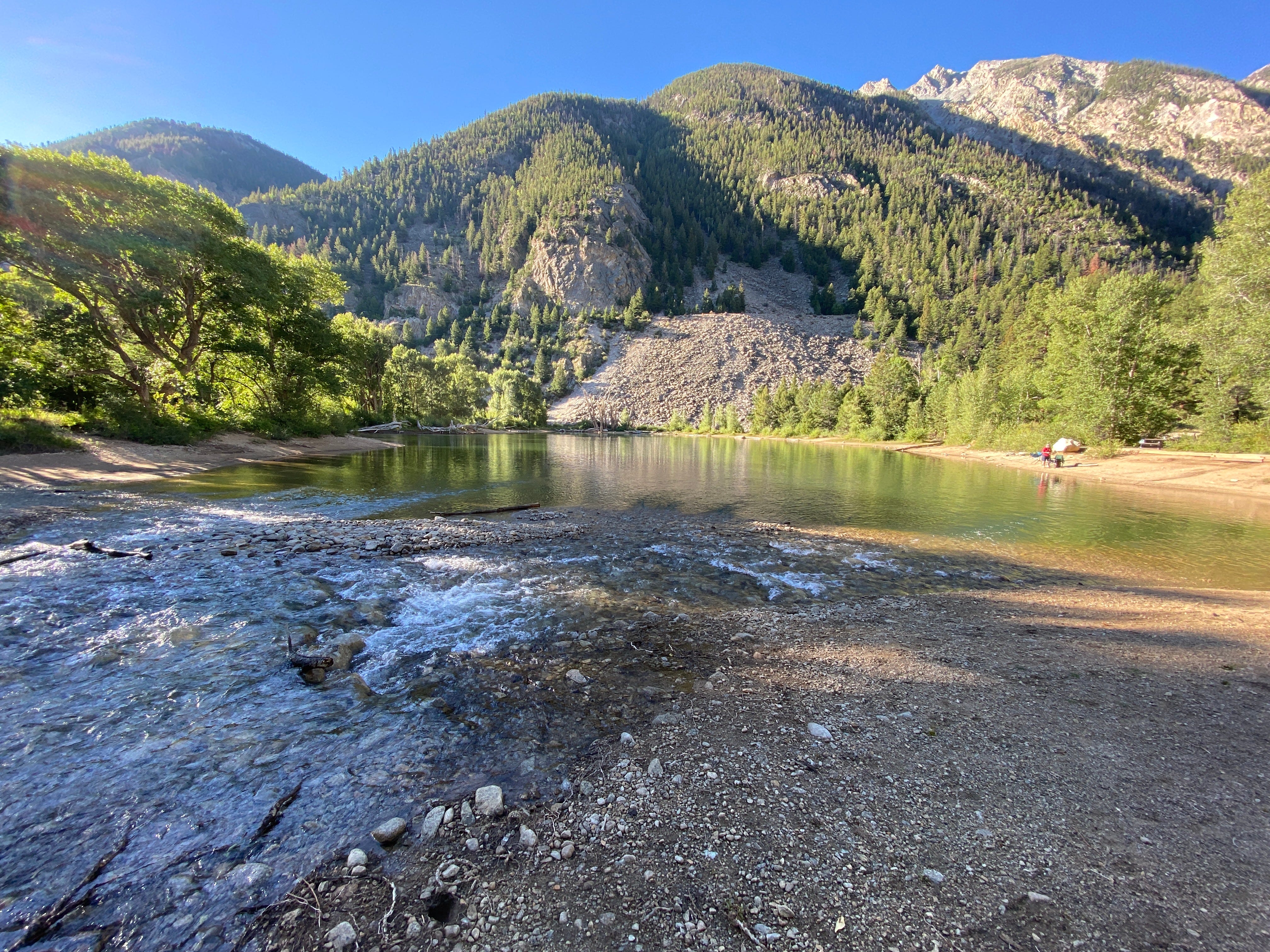
Nestled in the area surrounded by what are known as the Collegiate Peaks - 14,000 foot mountain peaks named after colleges, such as Princeton, Harvard, Yale, Oxford, Columbia, and so on - is Chalk Lake. This small body of water got its name because of the chalk color cliff across from it. Fed by (you guessed it) Chalk Creek, the lake is stocked with various types of trout supplied by the fish hatchery about 5 miles away. The lake is well known as a training area for people learning to fly fish, and while there we saw several people with a guide learning the proper techniques for this type of fishing. When we first arrived in the area, we went by the lake and look at the prospects for our proposed fish fry. And let me tell you something, I thought a fresh trout dinner was in my immediate future. If I had the good old 8-ball, and I asked it if I was going to catch a fish during this trip, it would say, “Highly Likely”. Why was I so confident when I’ve failed miserably so far this month? Because I saw several fish swimming in the lake, and I probably could easily leaned in and grabbed one. If I can catch at least one of them, I will be happy.
A short drive from the lake is what is called the best preserved ghost town in Colorado. St. Elmo was a mining and lumber town back in the late 1800’s and early 1900’s. At 10,540 feet in elevation, it couldn’t have been easy for people to get there. But get there they did. The town had two hotels, a saloon, a mercantile, a civic center and a jail, along with other businesses and homes. The last citizens moved out in 1922, boarding the last train out of town right before the railroad was abandoned. For several years looters came in and took whatever valuables they could find, Eventually a wealthy person came in and began buying up the properties, and began building modern homes. But not all of the history was lost. Some of the original buildings remain, passed down from original owner to family members. Working with preservation organizations in Colorado, work has begun to restore some of the properties and create a museum that celebrates St. Elmo’s heritage. And when I asked how many residents lived in St. Elmo now, the young woman working in the Mercantile told me she and her partner would be living there full time. Yes, even through the winter, when they get a pretty good amount of snowfall (peak snowpack reported at 196 inches). She was looking forward to building an igloo and playing in the snow.
As of August 29, 2023 St. Elmo, Colorado has a population of two.
With no rain is forecast for the two days I’d be at Chalk Lake, I was fairly confident my “getting rained on while camping” streak would finally end. And with a lake well stocked with rainbow and brown trout, I was convinced I would catch at least one fish. Will I really break my streaks??
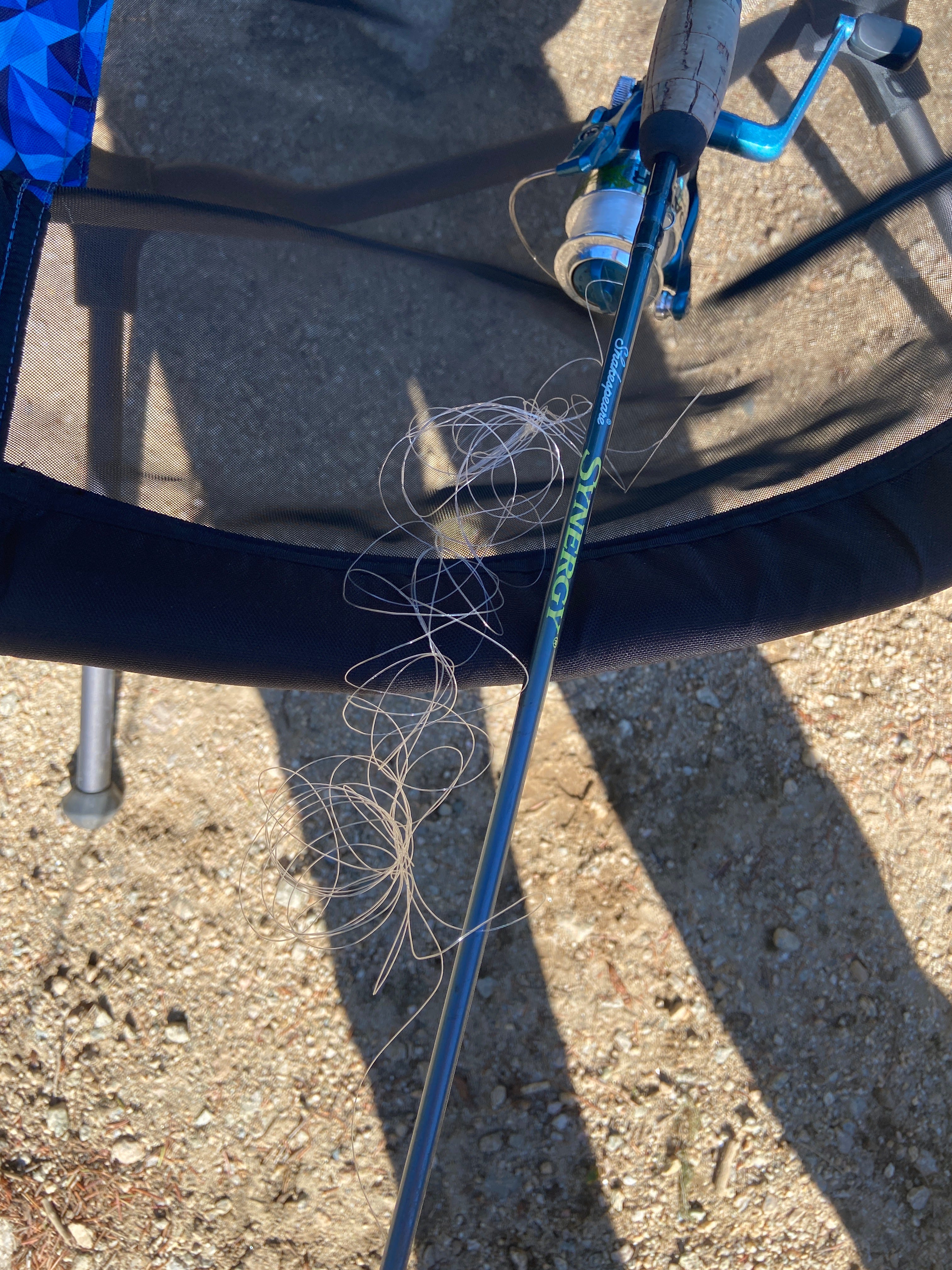
Well, one streak is still intact. After a few lackluster casts with a variety of bait choices, I came up empty. My friend Sharon caught a fish every time she put her line in the water. We kept a few that we ate for lunch and released the rest back to the pond. When I think about it, I don’t feel so bad about not catching anything. In a way I’m glad I didn’t. Standing on the shoreline, I could see several fish swimming less than 20 feet away. Most were pretty small in size, well below the mandated minimum size. I really would have hated catching one of those tiny ones, especially if it was too injured to be thrown back.
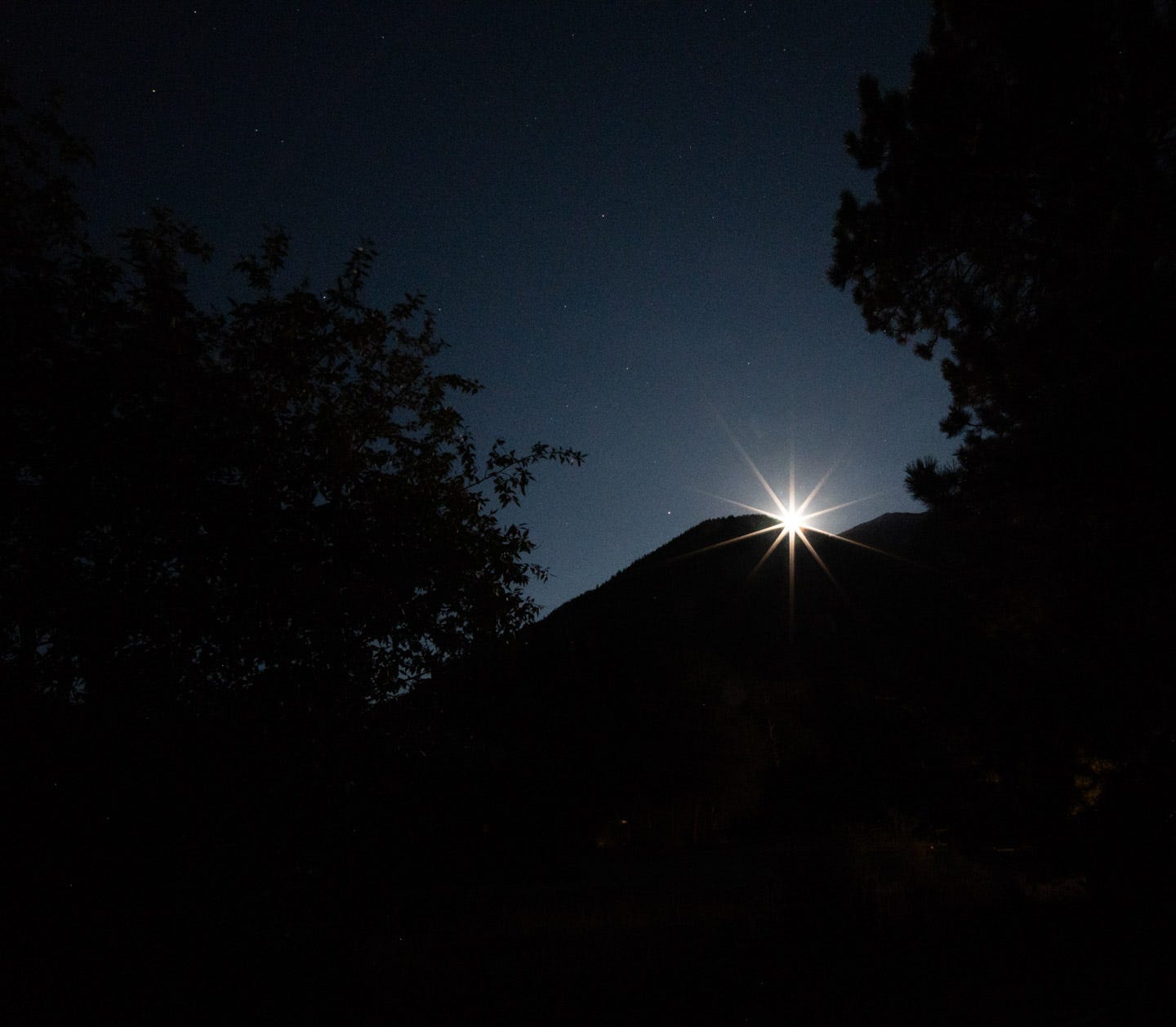
The other streak is over. The weather was beautiful the three days we were there. And it was the super moon, when the moon looks bigger and brighter because it is closer to Earth.
Final thoughts …
Neither special bait concoctions nor fishing apps nor better equipment will help me catch any fish. Why? Because I don’t really want to catch a fish. So, I think the next time I go near a lake I will leave the fishing pole home and instead bring a book and my camera. And I’m sure I will get rained on again in future camping trips, which is how it should be.
Hilarious fishing tales. We went out to Bluewater lake to check it out for camping. I brought my fishing pole and caught one fish. It was a minnow! Minnow still counts as a fish on :)