
Making New Friends
At this age?

I was sitting in the library at work yesterday morning chatting with some of my colleagues. The conversation turned to moving from your current home town to a new place where you know no one. The conversation went something like this:
Colleague 1: “I want to move out of New York, but I still have time to go before I can retire from this job”
Me: “Where would you want to move to?”
Colleague 1: “I’m not sure.
Me: “I thought you were from Wisconsin and had family there.
Colleague 1: No, I’m from Connecticut. I love it in Wisconsin but only to visit. There’s no ocean, and I want to be near the beach.”
Colleague 2: “My whole family, well, they are here so I’m not moving anywhere for a long time, until my kids are grown”
Colleague 1: “plus my friends are here, and I don’t want to start over at this age. I don’t want to have to make new friends”
Colleague 2: “what are you, about 50? (she chuckles as she says this)
Colleague 1: “yea, hahahaha, no I’m 40”
Now I’m listening to this and I’m thinking to myself, she’s only 40 years old, but she would be apprehensive about moving because at her age making new friends would be so hard. What does that say for me? I’m 66 and I’ll be moving in less than a month. Do I have any chance in hell at establishing new friendships where I move to? Or am I destined to doing things by myself? Don’t get me wrong, I’m fine doing things alone. I’ve gone on several trips by myself, been to concerts, sporting events, museums, … I think you get the picture. I am not apprehensive or afraid to go somewhere if I don’t have someone joining me. But there is a case to be made for having a “running’ buddy, someone to share activities with. You experience something with another person, and then you discuss it. Let’s say you think where you just went was great, but your buddy thinks it sucked. The two of you will discuss it, maybe playfully argue about which one of you is right, then you make plans for your next outing to another place or event that sounds like fun. And this cycle continues as long as you are still friends and those “playful” arguments remain playful.
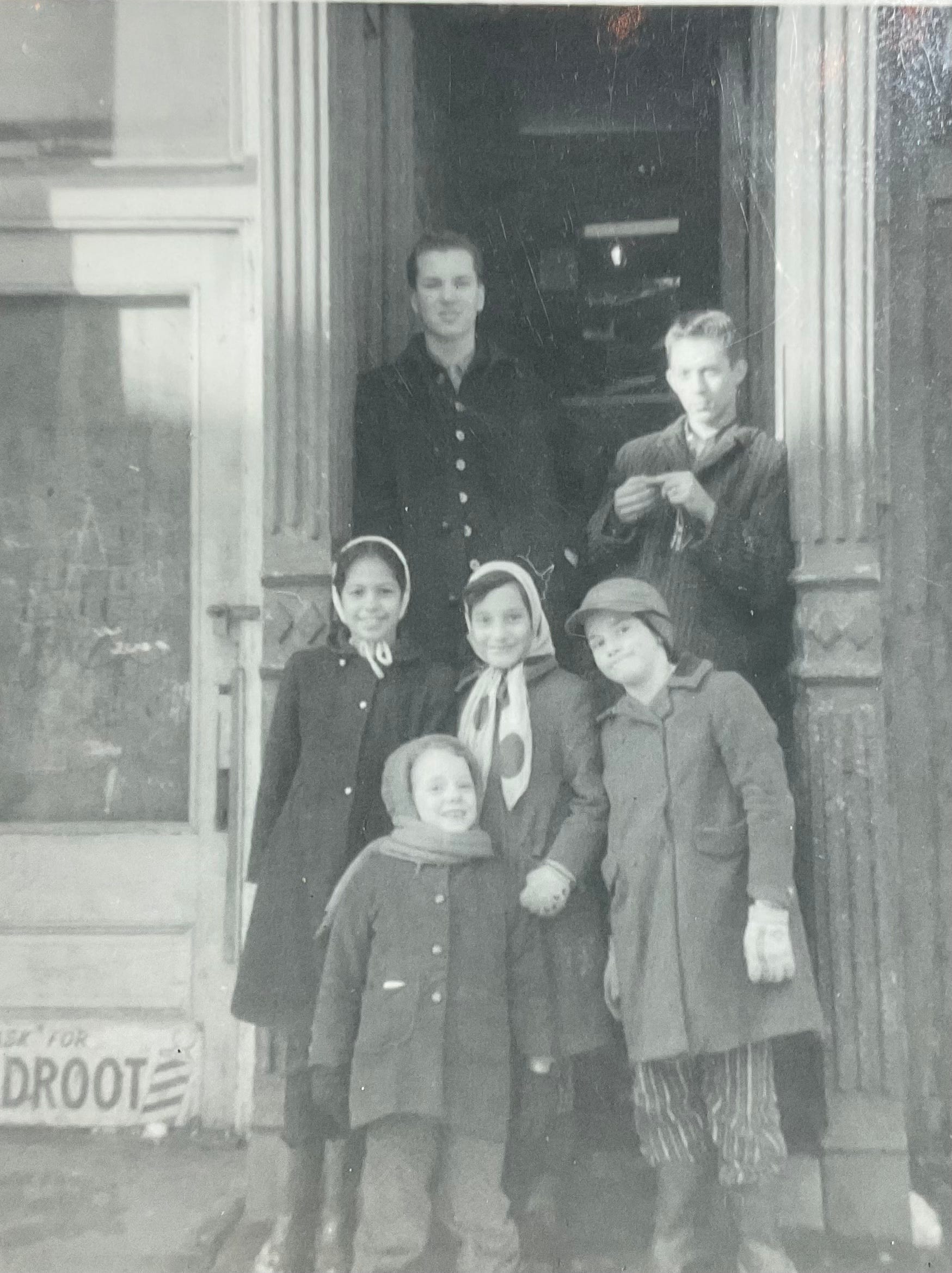
Is there a science to making friends? You bet! Just google it (the science of making friends), and you will see books and videos on the subject. Many of these books address people with social challenges such as bipolar disorders, autism spectrum disorders, ADHD, and other conditions, and discuss how they can make friends. There are YouTube videos on the science of making friends including one for youth during COVID-19. I’m sure these are great resources. But what about some advice for someone like me? Growing up I had lots of friends in school and on the teams I played for. I’ve always had friends at the jobs I’ve had. But now as I head to retirement, things will be different. I won’t have a job to have “work friends”. I won’t be playing sports so there won’t be any “team friends”. I have no intention of going back to take any classes, so there’s no chance of having “school friends”. So what to do? Is having friends really that important?
Scientists researching this topic found that people with solid friendships live healthier, longer lives. Friendship decreases blood pressure and stress, reduces the risk of depression and increases longevity, in large part because someone is watching out for us.1 Unless you are a genius or a member of the Mensa organization, you want and need friends. If you are Mensa, spending less time with friends actually makes you feel more content. Scientists don’t really know why this is, but they speculate that people with a high IQ occupy their time with projects and self-directed endeavors.
Is it really harder to make friends as we get older? Yes it is, but there are some common sense reasons for this. We just get busier as we get older. Jobs, families, home ownership - lots of responsibilities keep us from engaging in activities with friends we already have or involvement in activities with people that can become new friends. Also, as we age, we get more set in our ways. We know what we want and like, and feel like we no longer need to make compromises from those values to make a friend. Once we’re out of school and in a job, we may meet people who we call our “work friends”, but the only time we see these people or socialize with them is Monday -Friday during work hours. We just don’t have time (or make time) to cultivate these relationships into real friendships. Once we hit retirement we have the time, but maybe not the desire to find new friends. Or maybe we don’t know how to make new friends.
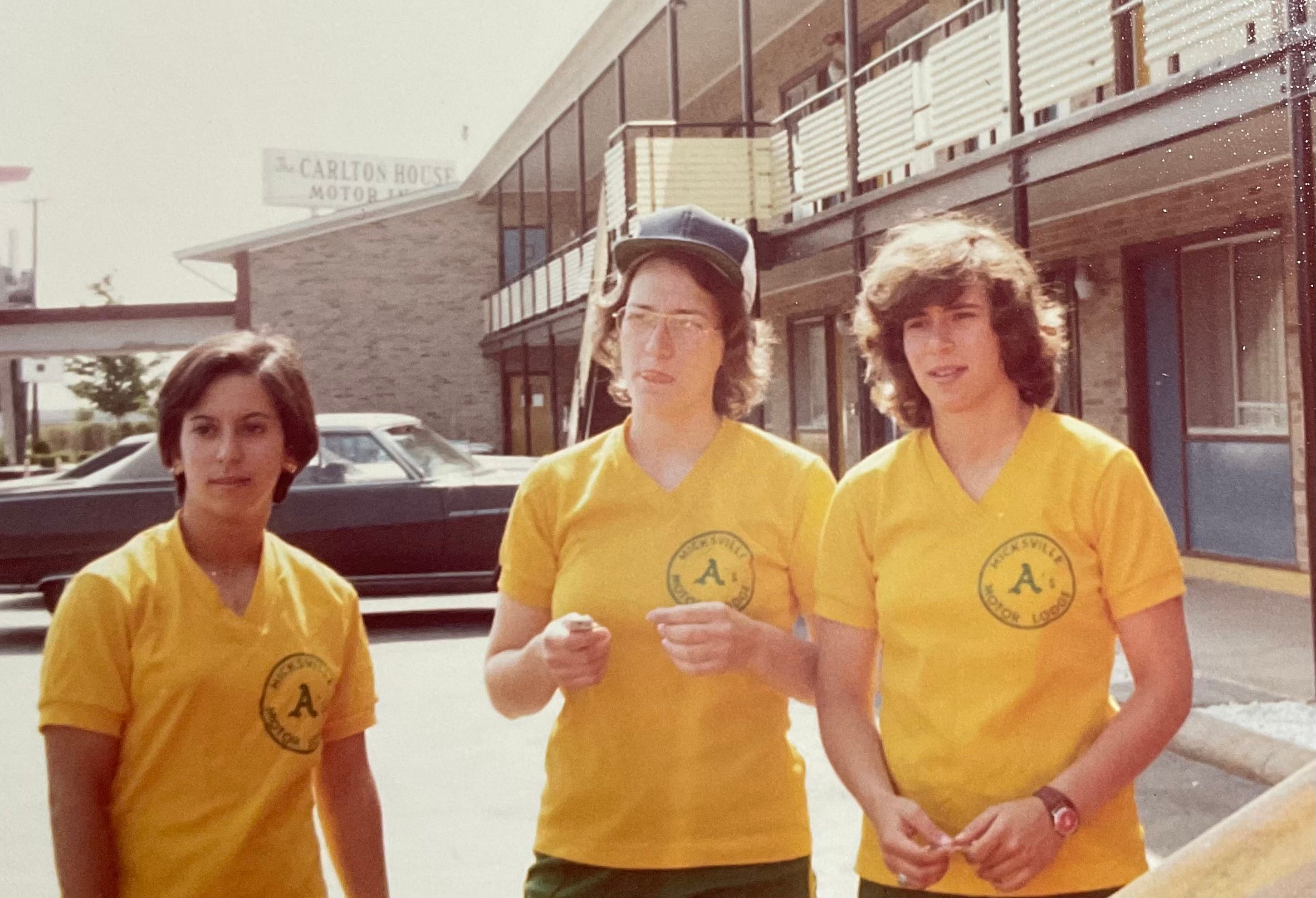
So what do we do if we seek new friendships? Well, the first thing is to realize that we are not alone with these feelings. There’s nothing wrong with admitting that we want to make new friends. I would bet that there are a lot of people out there who wouldn’t mind having one or two new friends. To make these connections we can get involved in activities that could lead to more relationships. It’s really a matter of having the willingness to put yourself out there to make yourself available. You can join a club, look for volunteer opportunities, or simple just get out of the house and go for a walk. Following routines can lead to seeing the same people in the same places. Reverting back to our childlike ways, when we were less inhibited and willing to walk up to anyone to say hi could also serve us well as we get older. Starting with general chit-chat might lead to just a casual acquaintance or possible a friendship.
One more thing… it’s ok to shed old friends. Hu? Sometimes the reasons we became friends in the first place was very specialized or specific. For example, we we all in the same middle or high school together playing on a sports team. This allowed us to spend countless hours together, and we naturally became friends. We’ve known each other for more than 20 years and while we may still keep in touch, the friendships just dwindle. Interests change, we meet new people, we have all those “adult” commitments, and our former bff’s slowly, over time, become past memories. No one did anything wrong, we just gradually move away from each other as these relationships become less and less active.
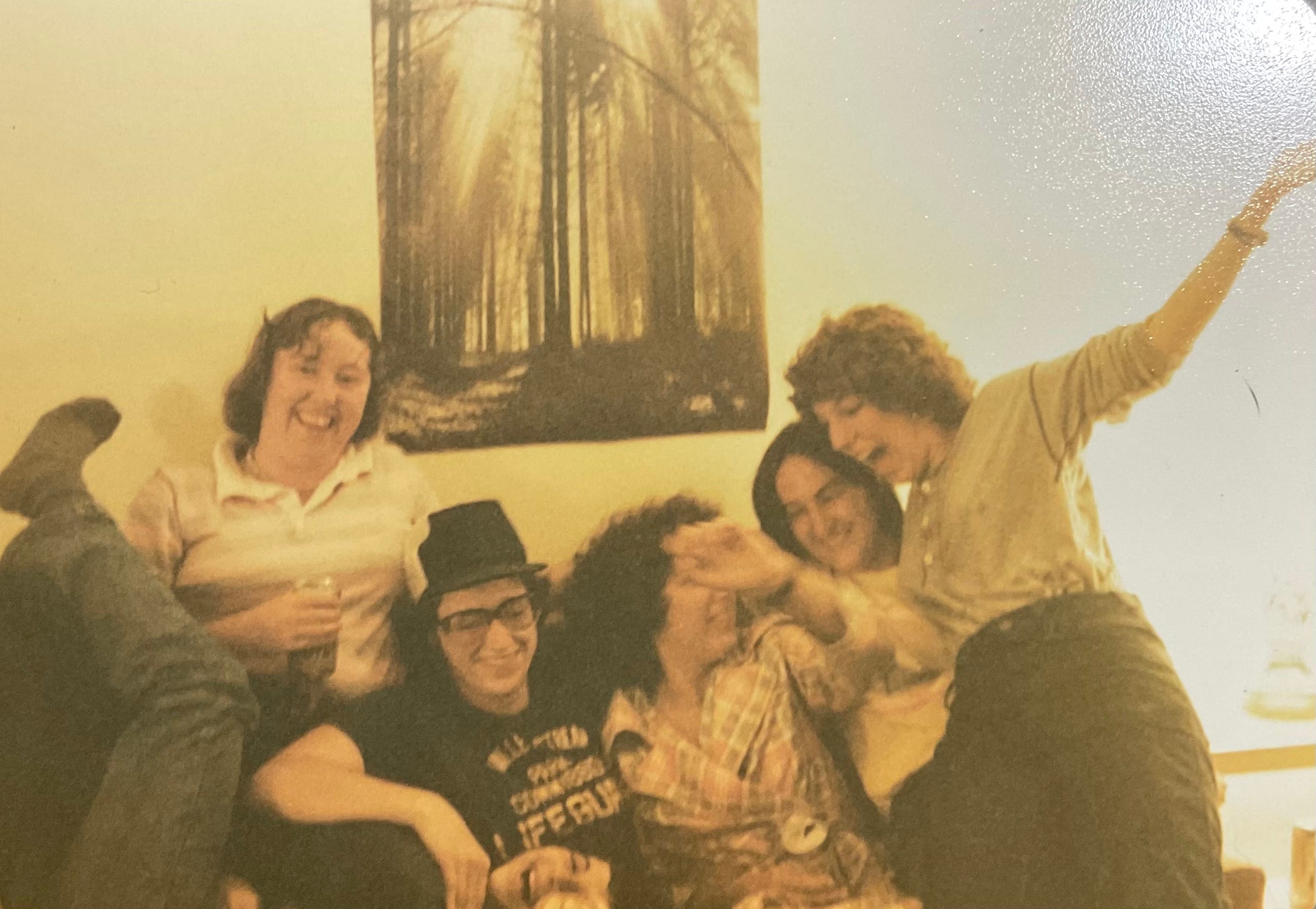
It’s never too late to make connections with other people, and we’re never too old to make new friends. And I believe its best when we have a variety of friends that we do different things with. Those we play golf with, the ones we talk to about books, and those we have coffee with. If we’re all willing to reach out and start off with a”hello” I think we’d be in a better place.
Bernstein, Elizabeth, “The Science of Making Friends”, Wall Street Journal, 2016