
Seasons Change
Strategies to make life a little easier

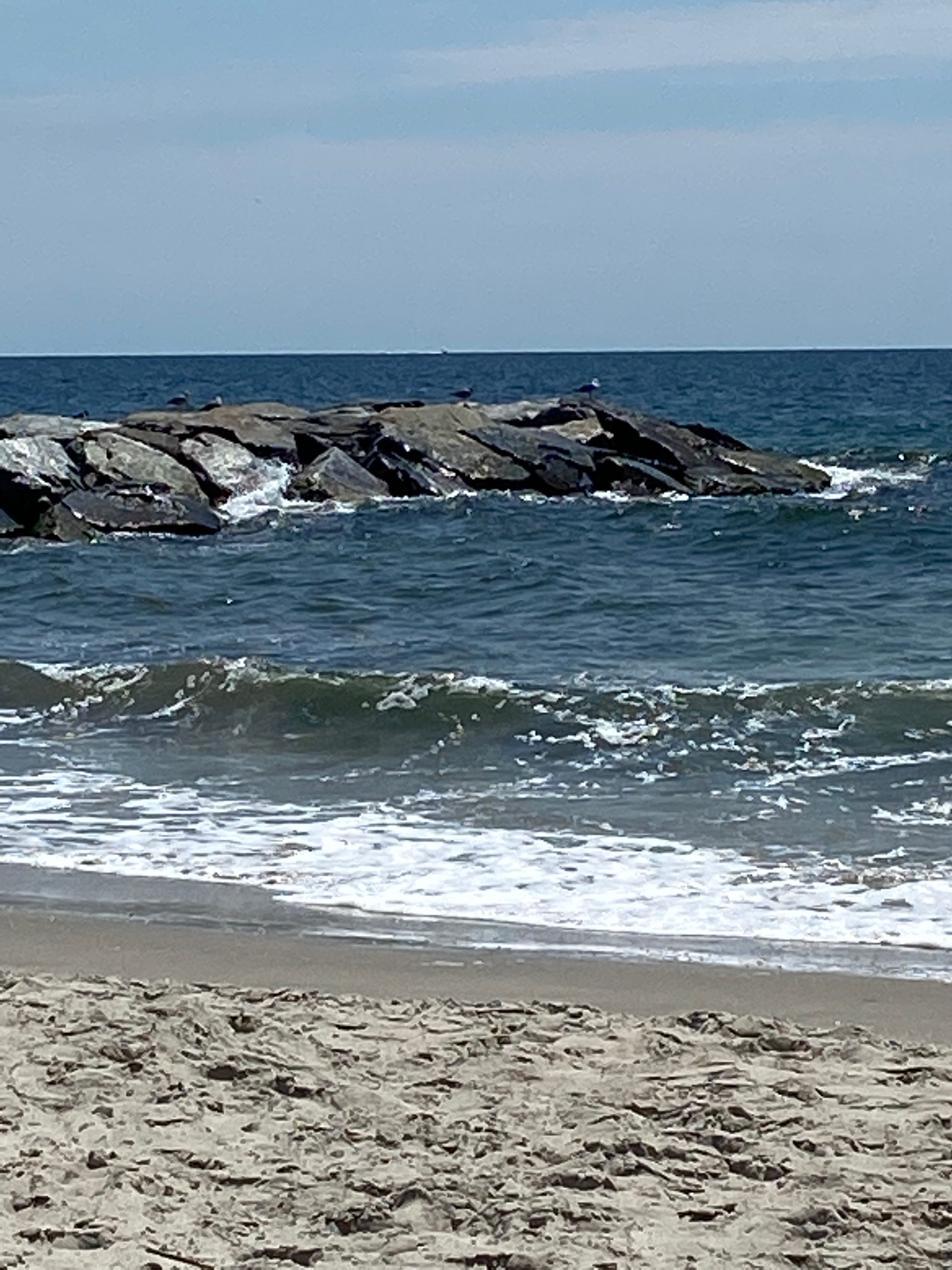
Everyone loves summer. What’s not to love? Long, lazy days. Spending time at the beach and feeling the warm sun on your skin. Going to an outdoor concert in the park, listening to the music as you lounge on the grass under the stars. Getting the bicycle out or dusting off the hiking shoes, then spending time in the great outdoors. Summer is a time of fun and relaxation for many people. Nat King Cole had a hit song in 1963 titled, “Those Lazy, Hazy, Crazy Days of Summer”, which reached number 6 on the pop charts. The last line of the song is, “you’ll wish that summer would ways be here”. Ain’t that the truth? But in most places, summer doesn’t last forever. The only place on earth where there is no seasonal change is at the equator. Countries near the equator throughout the year have equal amounts of daylight and darkness every day. I have never lived near the equator, nor have I known anyone who lives there. I’m accustomed to four distinct seasons. And I’ve always looked forward to the changing weather. Summer ends, the air begins to get cooler and crisper. Leaves change color, then drop off the trees. The first snowfall makes everything look clean and fresh. Even though the days are shorter, there are still plenty of time to get outside for some winter activities. Then the snow finally begins to melt as temperatures rise. Seeds start to sprout and trees bud, signaling rebirth and new life. Spring makes many people feel rejuvenated. And then, before you know it, it’s summertime again
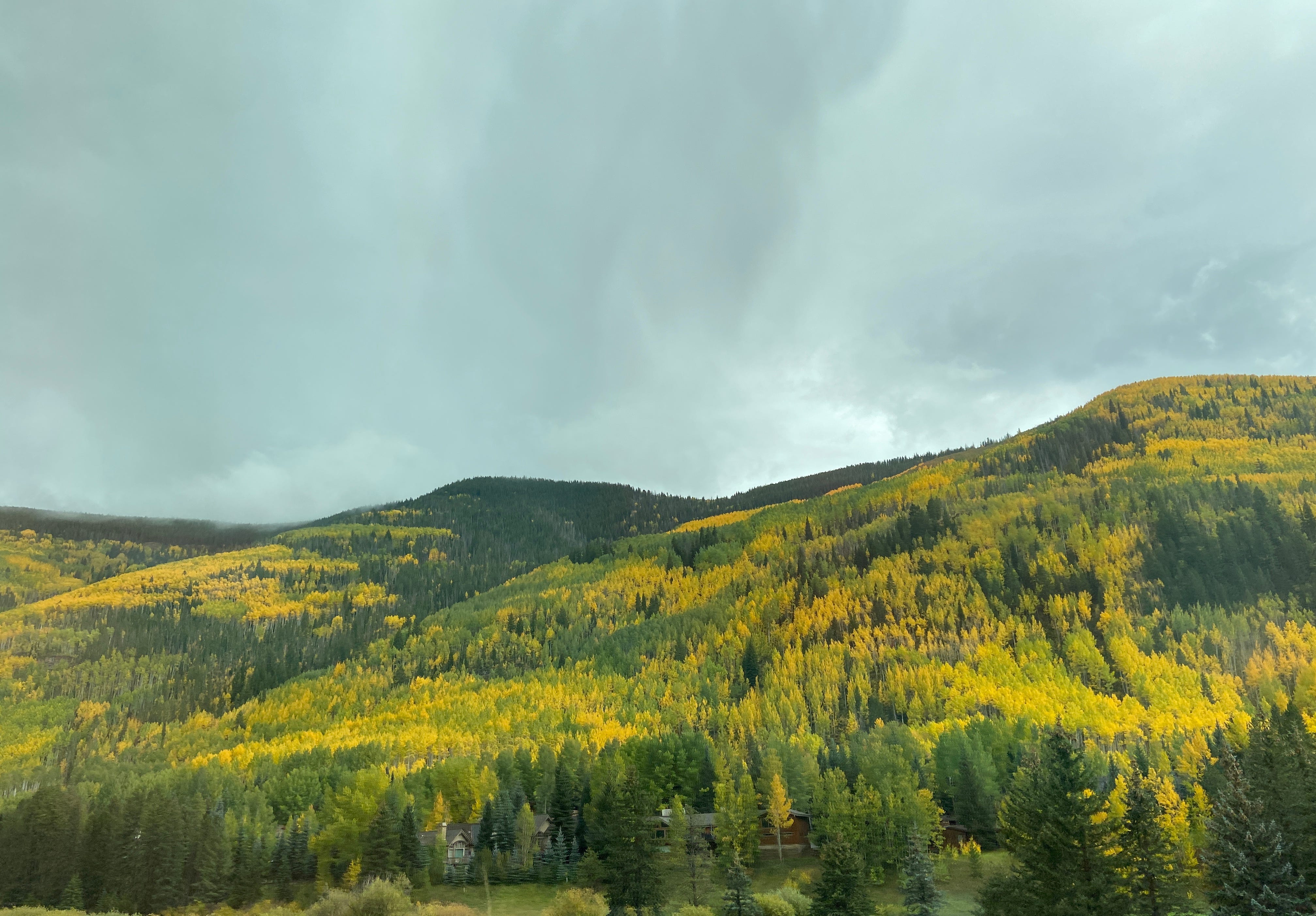
Kids (and teachers, especially teachers!) love summer because they get a break from school for two months. But summer eventually comes to an end. Some people are able to deal with the changing seasons the same way they deal with changing their underwear - like it’s no big deal. But others aren’t so lucky. According to the website MedLine Plus, seasonal affective disorder (SAD) affects occurs in 0.5 to 3 percent of individuals in the general population; it affects 10 to 20 percent of people with major depressive disorder and about 25 percent of people with bipolar disorder. SAD is a condition that should not be discounted. It’s not something that can be resolved by kicking yourself in the ass. SAD begins and ends at about the same times every year. People who suffer from this disorder have symptoms such as lack of energy and moodiness that start in the fall and continue into the winter months. Additional symptoms include craving foods high in carbohydrates, oversleeping, and feelings of worthlessness. These symptoms often resolve once the days start getting longer and the temperature rises. According to the MayoClinic website, treatment for SAD may include light therapy (phototherapy), psychotherapy and medications.
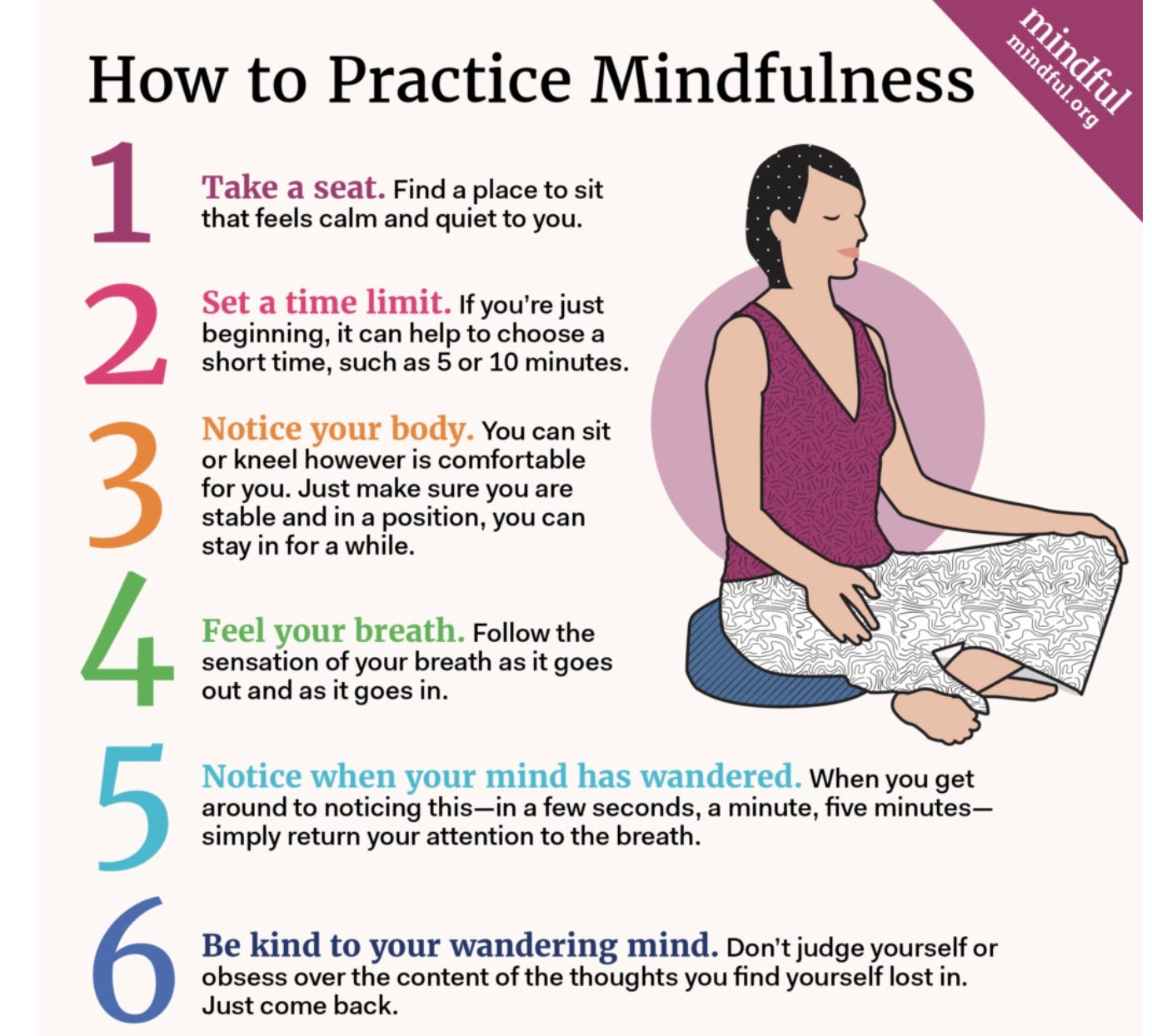
There’s an article in the New York Times dated Sept 21 titled, “Fall is the Season for Building Mindfulness and Resilience”. It offers strategies on how to deal with the feeling of sadness that can overcome us as we head into fall and winter. Even if you don’t suffer with seasonal affective disorder, the concepts the article discusses can help one cope with changes that are inevitable in life. Practicing mindfulness is a great way to help reduce stress and calm oneself. I was first introduced to this practice when I taught in a Manhattan high school. A wonderful special education teacher I had the privilege to work with named Mindy started the classes we taught together with a 2 minute mindfulness practice. At first the kids thought it was ridiculous; they couldn’t stay quiet for 10 seconds, let alone 2 whole minutes. Truth be told, I thought it was a bit crazy and a waste of time as well. But after about a month, many of the students used the time to relax and ready themselves for class. Three months in, all students completely bought in. And a month after that they would argue if we decided not to do our mindfulness practice at the start of a class, lobbying for their 2 minute meditation period. Many of the students in that school were helped tremendously when Mindy introduced the school to mindfulness. My attitude about the practice of mindfulness and the value of meditation also changed.
Would you go to a movie or restaurant by yourself? What about going on vacation alone? I was one of those people who never thought to do any of those things. But then one day in 2015 I decided I wanted to go to Montreal. Why? Because the women’s World Cup soccer tournament was going on a the time. I looked online for a ticket to the semifinal match and spontaneously purchased one. I owned a car, but instead of driving decided to take the Greyhound bus from Port Authority in NYC to Montreal. The bus is not really my preferred mode of travel, but this was an adventure and leaving the driving to Greyhound seemed right. I spent three days in Montreal, exploring the different sites and museums the city has to offer. And I saw a great soccer game, which wound up being the match between the United States and Germany (the US won 2-0, Carli Lloyd and Kelley O’Hara scored. You can watch the match here). What does my story have to do with the NY Times article? This solo trip was my way of building my resilience - getting out of my comfort zone and trying something new. I have since gone several places by myself. The first step outside the zone is hard, but subsequent steps get easier and easier.

Whether you suffer from seasonal affective disorder or not, increasing your resilience and practicing mindfulness can be useful tools for coping with life. So try something new - it may stimulate your senses and be fun and exciting. Or try mindfulness - meditating quietly may clear your mind and be both relaxing and rejuvenating. And who knows, if you don’t already enjoy fall and winter, they may become you favorite seasons. (OK, that may be a bit of a stretch!)
A great reminder to pause and reflect like Mother Nature herself. Thanks!