
Solitude
Learning to love peace and quiet

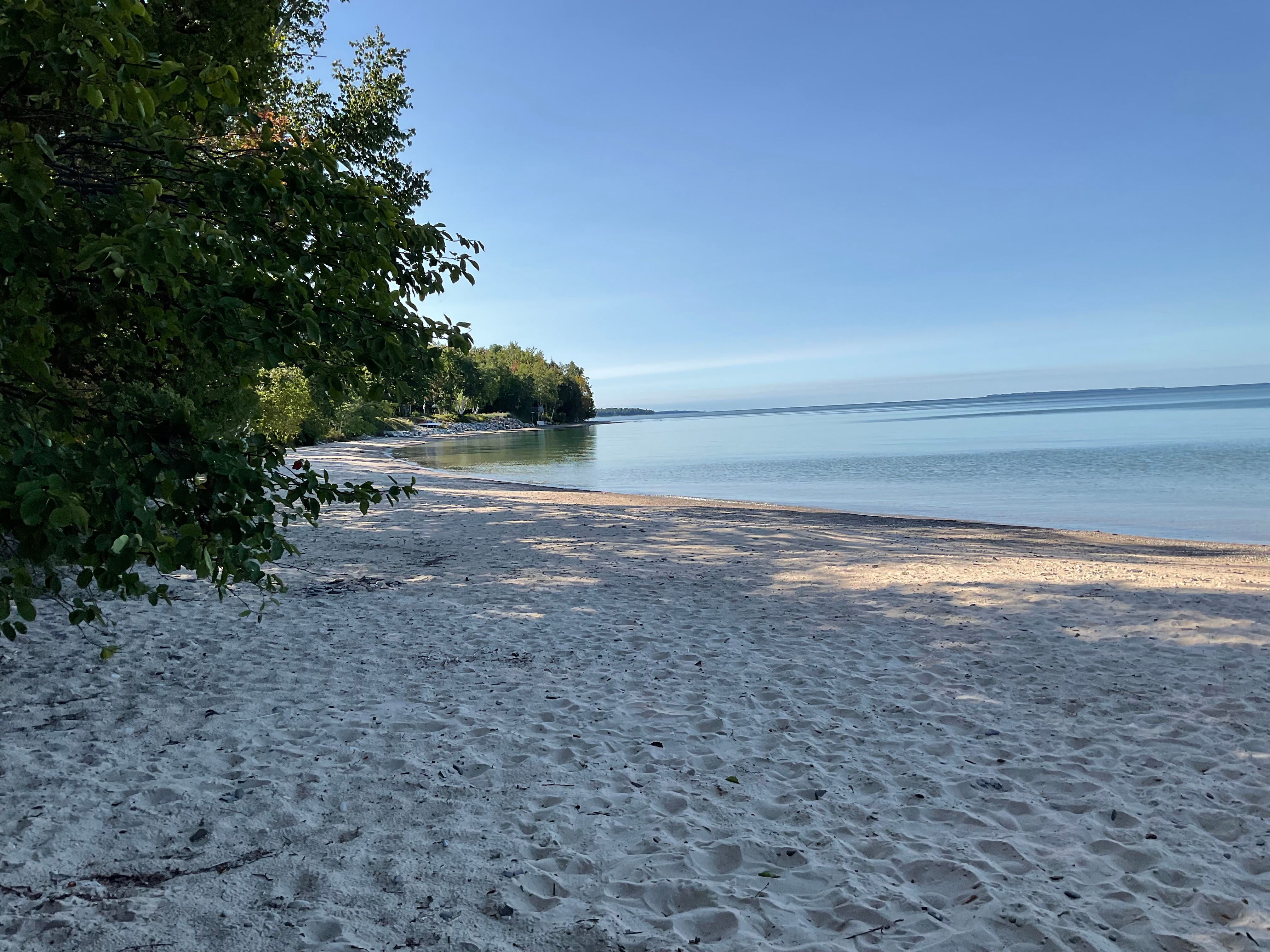
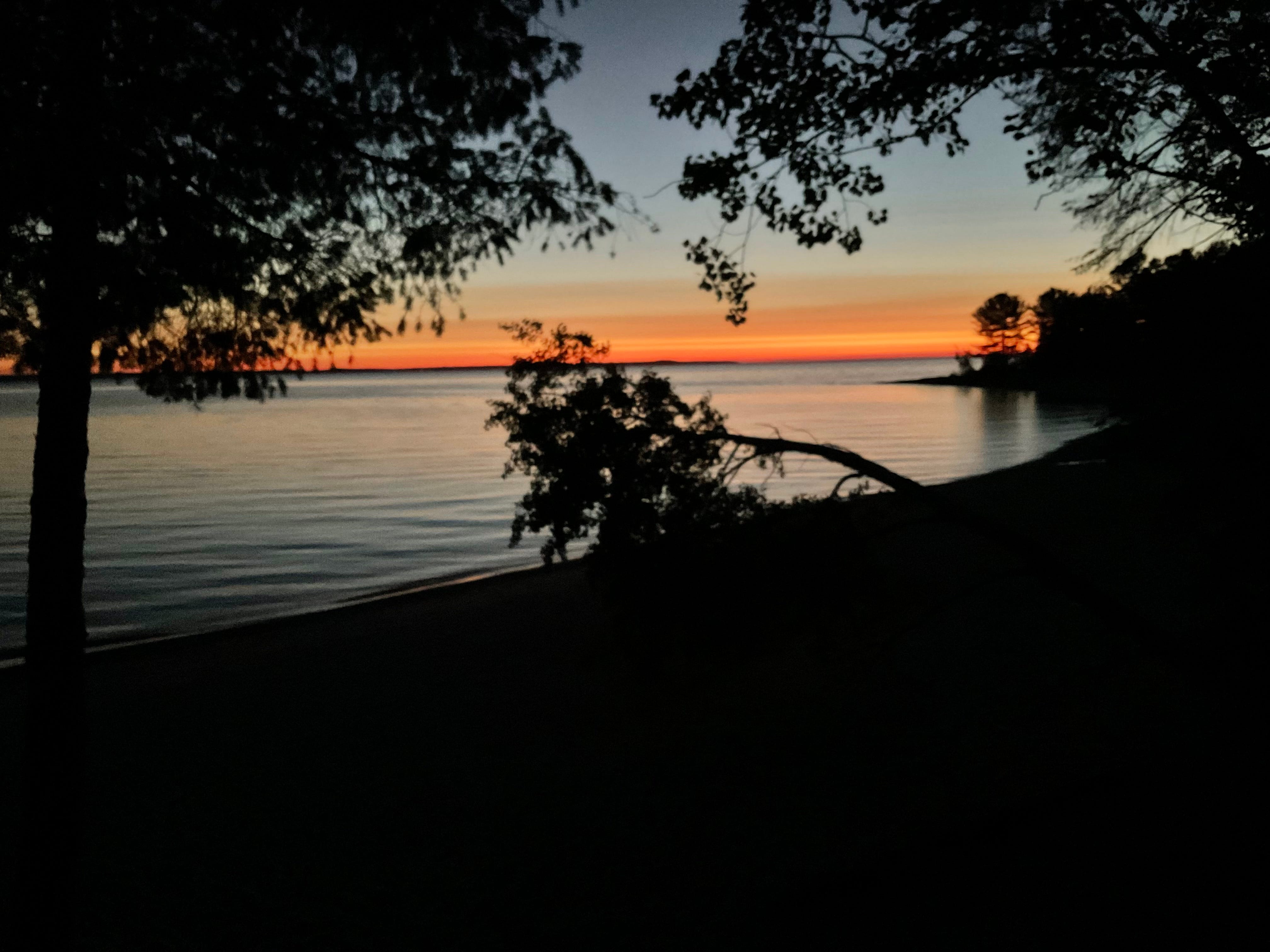
On the shore of Lake Michigan, there are few sounds. In the early morning you can hear a bird singing, the waves lapping onto the shore of the beach, a squirrel chattering. There is a stillness and calm that is prevalent in this place. A little later in the day sounds change to include people talking in the distance or someone doing what I guess is a home improvement project. The holiday weekend has come and gone, and with it the music, parties, and a majority of the people. Labor Day signifies the end of summer and back to school for kids and teachers. Families took one last trip to the lake to drink beer, play in the water, and enjoy the waning days of the season. Then it’s back to the grind, looking forward to fall, hoping for a mild winter, and wishing spring would come sooner so that they could be back here when summer arrives again. And when everyone else leaves and you find that you are one of handful of people who remain, you realize just how calm and peaceful this place can be. And you also realize how wonderful this calm is.
A year ago today I woke up at 5 am, starting my day as a teacher in New York City. By 6:45 am I was on the Long Island Railroad heading towards Brooklyn. That 45 minutes on the train, followed by a 20 minute walk, got me to the school where I taught. My 13 years of teaching pretty much went the same way every morning. During that time school locations changed, but the trip was the same… on the train for 45 minutes, then walk for 20. The journey was hardly ever without a dull moment, and never with peace and quite. The word “solitude” doesn’t exist in NYC. Or if it does, it can’t be found on public transportation or on the city streets during daylight hours.1
But here solitude is a mainstay. The quiet was just altered by the hummingbird that was attracted to my colorful chair. I can see a flicker moving up and down the trunk of a tree directly in front of me, making scratching noises as he moves along. The waves are still hitting the shoreline, but the wind has all but died down and the water’s movement is much slower.
Relaxation is good for the body, mind, and spirit. Do a google search on, “why is relaxation important”, and this is what you will get:
When we relax, the flow of blood increases around our body giving us more energy. It helps us to have a calmer and clearer mind which aids positive thinking, concentration, memory and decision making. Relaxation slows our heart rate, reduces our blood pressure and relieves tension.
Let’s look at these affects of stress one by one:
Heart rate - a consistently high heart rate could indicate that your heart is not working as efficiently as it should. Stressful situations tend to cause the heart to beat faster. Sometimes those stressful situations are justified, like when you are confronted by a shark as you are leisurely swimming in Lake Michigan2. Average heart rate should be from 60 - 100 beats per minute, with the ideal rate being 50 - 70 beats per minute. Stressful situations could cause our heart rate to increase almost 40 beats per minute. Sometimes we need that increase to help push hormones like adrenaline through the body to help sharpen our senses and allow us to react to an emergency (like quickly swimming away from the shark). But when our blood pressures raises and adrenaline increases over and over because our work or home situations become repeatedly stressful, we develop health issues. Headaches, stomach ailments, and heart problems can become detrimental to our overall health.
Blood pressure - this goes along with heart rate. If your heart is beating faster your blood pressure increases, which is allowing the hormones to flow through your body faster. According to the Mayo Clinic website, the increase in blood pressure is temporary, but researchers have not been able to determine if the changes accumulate and cause problems over the long haul. One suggestion I have would be to monitor your blood pressure frequently to ensure you are staying within a healthy range. Lots of smart watches have a blood pressure monitor feature, but you could also get a more traditional blood pressure monitor at stores like Walgreens or Target. Another suggestion is that you can monitor the foods you eat and limit salt intake. Be especially careful of all the “hidden” salt in foods by reading nutrition labels and noting the sodium levels.
Tension (and stress) - according to the website MedLine, “Stress is a feeling of emotional or physical tension”. Ok, let’s get one thing straight… stress is not always bad. Remember the shark attack? If it wasn’t for the stress response, those hormones would never surge through our body, we wouldn’t react to the predator, and we would quickly become lunch. So stress has its place in our survival. But stressful situations, like when a student has an unprovoked tantrum in the classroom, or your spouse starts screaming at you for not picking up you dirty socks, are not good. Job/life stress can be acute or chronic. Acute stress lasts for short periods of time. Say that your student starts screaming curse words one day, but never does it again. That’s acute stress. But if that child has those same episodes on a daily basis, it becomes chronic stress. And chronic stress can lead to a bunch of other issues that can affect our health - weight loss or obesity, diabetes, high blood pressure, heart disease, headaches, etc. During my teaching career I worked at one school where chronic stress contributed to me losing 15 pounds over the course of 10 months. Luckily I was able to move to a different school and away from that stressful environment at the end of that year.
I’m not the type of person who normally sits around doing nothing. But these past few days have been a great for just that - sitting and relaxing. The only pressure I’ve felt has been when playing the game Wordle and trying to decide what five letter word to start with. So for my third and last day of this wonderful retreat on Lake Michigan, I’m going to watch the squirrels as they run past the deck, wander around and take photos of the wildflowers and insects, and maybe even jump in the lake for a swim. Then tomorrow my friend and I will start the long road trip back to Colorado, and hopefully encounter only a few stressful situations along the road.
References
Next Avenue, Stress and it’s adverse affects on the heart, https://www.nextavenue.org/stress-and-its-adverse-effect-human-heart/
UPMC Health Beat, https://share.upmc.com/2014/11/how-does-stress-impact-heart/
Mayo Clinic, Stress and high blood pressure: what’s the connection, https://www.mayoclinic.org/diseases-conditions/high-blood-pressure/in-depth/stress-and-high-blood-pressure/art-20044190
MedLine Plus, Stress and your health, https://medlineplus.gov/ency/article/003211.htm
If I am wrong about this, please let me know.
Officially no sharks have ever been sighted in Lake Michigan. One documented case put a shark in the Illinois River.., but that’s about as close as it gets.